Lash Extension Aftercare: How to Keep Your Lashes Clean, Comfortable and Beautiful
Learn practical lash extension aftercare, from gentle cleansing and brushing to makeup and sleeping habits. L By Nancy explains how to protect your set.
Your lash appointment is finished, your set looks polished, and you'd love to keep that fresh feeling between visits. The good news is that your daily care routine doesn't need to be complicated.
Lash extension aftercare comes down to gentle cleansing, avoiding unnecessary rubbing or pulling, using compatible products and following the instructions specific to your lash adhesive. A few consistent habits help support eyelid hygiene and reduce avoidable wear.
Here's the routine to know before your first shower, workout or makeup removal.
What Should You Do During the First 24 Hours?
The earliest aftercare instructions depend on the adhesive and curing system used during application. Some systems have restrictions around water, moisture, heat or steam, while others allow earlier exposure.
Avoid applying a blanket internet rule to every set. Ask your technician exactly when you can wash your lashes, exercise or go swimming after your appointment.
As a general principle, avoid rubbing the eye area or testing the bond by pulling on extensions. Keep the skin around your eyes comfortable and follow the product-specific guidance you've been given.
At L By Nancy, Nancy's 10+ years of experience help inform service conversations, including the questions clients should ask about their set and upkeep. Always prioritize the actual aftercare instructions from your appointment over generic online advice.
How Do You Wash Lash Extensions Properly?
Washing your lashes is part of caring for your eyelids. Leaving residue and debris in place is not a reliable way to prolong retention.
Step 1: Use a suitable cleanser
Choose a gentle, eye-area product recommended as compatible with your extensions. Follow its instructions and ask your technician which cleansing tools are appropriate.
Step 2: Clean without scrubbing
Wash your hands first. Work gently around the lash line with clean fingertips or a suitable applicator as advised. Avoid aggressive side-to-side rubbing or dragging the fibres.
Step 3: Rinse and dry gently
Rinse as directed, avoiding a powerful water stream directed into your eyes. Pat surrounding skin with a clean, lint-free material rather than rubbing the extensions with a towel. Allow the lashes to dry naturally.
Step 4: Arrange the lashes lightly
Once dry, a clean spoolie can help neaten the tips. Do not force a brush through stuck, twisted or tangled attachments near the lash base. Ask your technician to assess those instead.
How Often Should You Clean Your Lash Extensions?
For many clients, gentle daily cleansing is a practical baseline, especially if wearing makeup, skincare or experiencing sweat around the eye area. Your technician may recommend a routine suited to your skin, products and lash design.
The goal is a clean lash line, not constant washing or aggressive cleaning. If your eyelids become irritated, stop using the suspected product and seek professional advice.
What Makeup and Skincare Products Should You Avoid?
Heavy oil-rich products near the lash line
Some oils and makeup removers can interfere with certain lash adhesives or leave residue around attachment points. Check product compatibility rather than relying on broad claims that every oil affects every adhesive in the same way.
Waterproof mascara
Waterproof formulas can be difficult to remove without rubbing. With extensions, mascara is often unnecessary, especially on fuller sets.
Mechanical eyelash curlers
Curlers can snag, bend or stress both extensions and natural eyelashes. The curl of your set is normally selected during application.
Lint-shedding pads and towels
Cotton fibres can catch on extensions. Use clean, suitable materials and a gentle touch when removing makeup around the eyes.
Can You Shower, Exercise or Swim With Lash Extensions?
Most normal activities can fit into life with extensions once any adhesive-specific restrictions have passed.
Showering: Avoid directing strong water pressure into the eyes. Rinse and dry carefully.
Exercising: Clean away sweat and residue gently when appropriate. If you work out frequently, tell your technician so your routine can account for it.
Swimming: Prolonged moisture, pool chemicals, salt and repeated eye rubbing can affect comfort or retention. Follow your aftercare instructions, rinse as appropriate and avoid swimming while eyes are irritated.
Saunas and steam: Heat and moisture considerations vary by product and adhesive system. Ask about any restrictions for your specific set.
How Should You Sleep With Lash Extensions?
You don't need to sleep perfectly still, but excessive pressure against your lashes can create friction. Face-down sleeping may flatten or disturb extensions. Some side sleepers notice extra wear on one side.
Try to reduce direct pressure on the eye area where practical. If lashes repeatedly wake up twisted, ask the technician whether the mapping, length or your sleeping habits could be contributing.
Five Lash Aftercare Mistakes Worth Avoiding
- Picking at a loose-looking extension. Pulling can also pull on the natural lash.
- Avoiding cleansing out of fear of water. Proper hygiene remains important.
- Rubbing after makeup removal. Choose gentler products and techniques.
- Using products without checking compatibility. Adhesive and skincare formulas vary.
- Ignoring uncomfortable or tangled lashes. Contact your technician before the issue becomes worse.
When Is It More Than an Aftercare Issue?
Persistent itching, significant redness, swollen eyelids, pain, discharge, light sensitivity or changes in vision warrant an eye-health assessment. Do not assume these are normal reactions to extensions or attempt to remove glued-on lashes with household products.
The American Academy of Ophthalmology identifies allergic reactions, infection and lash loss among the known risks of extensions. The FDA's eye-cosmetic safety guidance also advises against eye cosmetics when the eye area is infected or inflamed.
A 2012 study of 107 women who sought eye care after lash extensions documented complications involving glue, removal agents and eyelid tapes. Because the study enrolled people with symptoms, its findings do not describe the complication rate among all extension clients. Persistent redness, pain or swelling needs assessment by an eye-care professional.
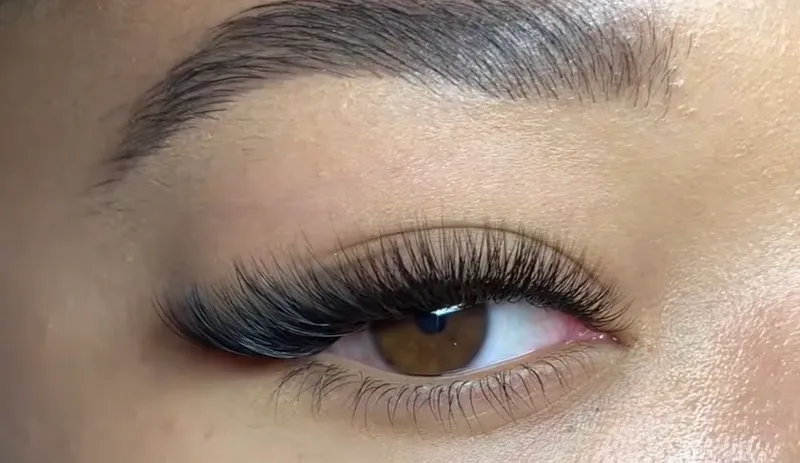
Good Aftercare Makes Maintenance Easier
A clean, comfortable set is easier to evaluate during your next fill. That's why aftercare and appointment timing work together.
For a realistic look at shedding, read How Long Do Lash Extensions Last?. For appointment timing, see How Often Should You Get a Lash Fill?. For lash health and risk factors, read Do Lash Extensions Damage Natural Lashes?.
At L By Nancy in Kimberley, BC, a thoughtful beauty experience includes understanding how your lashes will fit into daily life. Nancy's 10+ years of experience are part of the professional guidance clients can consider when choosing lash services.
Explore L By Nancy or book your next lash service. For first-timers, start with The Complete Guide to Lash Extensions.
Services, appointment durations, and prices are subject to change. Check the current L By Nancy booking menu for the latest details.
Sources and Further Reading
- FDA: Eye Cosmetic Safety. Hygiene, ingredient information and steps to take after irritation.
- American Academy of Ophthalmology: Eyelash Extension Facts and Safety. Extension-related risks and professional care.
- Amano and colleagues, 2012: Ocular Disorders Due to Eyelash Extensions. A clinic-based study of symptomatic patients, not a survey of all clients.