How Long Do Lash Extensions Last? A Realistic Guide to Retention
Learn how long lash extensions last, why they shed, what affects retention and when to book a fill. Practical guidance from L By Nancy.
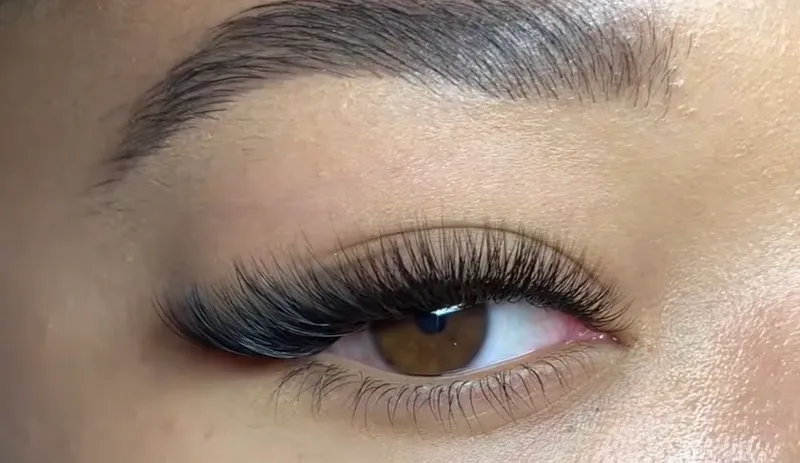
Fresh lash extensions look beautifully full and defined. Naturally, you want that appearance to last as long as possible.
Most clients arrange a lash fill every two to three weeks to maintain their set, although individual extensions can remain attached for several weeks. Your natural eyelashes continue growing and shedding, so the set becomes less full even when the extensions were properly applied.
Here is what influences retention, what's normal between appointments, and how to get the most from your lashes.
Why Do Lash Extensions Fall Out?
An extension is attached to a natural eyelash, not permanently implanted into the skin. As that natural hair reaches the end of its cycle and sheds, the extension attached to it usually falls with it.
Normal shedding is continuous. Your lashes don't all grow and fall out on the same day, which is why gaps tend to appear gradually.
Extensions may also detach before the natural lash sheds. Reasons include attachment or adhesive factors, friction, incompatible products and individual conditions. If a large number of lashes fall out very quickly, check in with your lash technician.
What Is the Natural Eyelash Growth Cycle?
Eyelashes move through growth, transition and rest/shedding phases. They do not all progress through these phases together.
Active growth
During the anagen phase, new lashes are growing. The growth stage influences when a natural lash is ready to carry a suitable extension.
Transition
During the catagen phase, active hair growth slows as the follicle changes toward the resting stage.
Rest and shedding
During telogen and the eventual shedding process, old lashes release while the cycle continues. Wearing extensions makes this normal process easier to notice because the attached fibre is longer than the natural lash.
A few shed lashes do not automatically signal a poor application. What matters is the broader pattern, how the set wears, and whether your eyes feel comfortable.
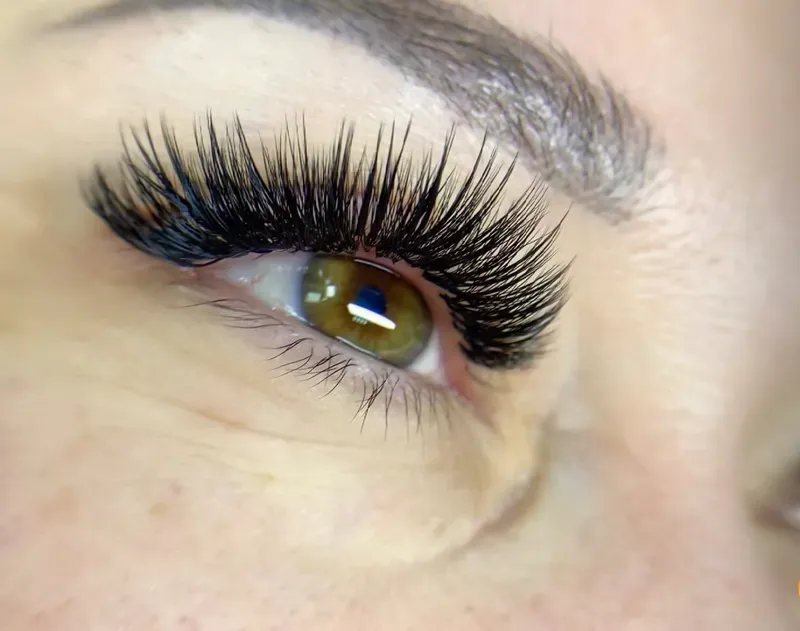
What Should Lashes Look Like After One, Two or Three Weeks?
There isn't a universal retention chart, but this is a useful way to think about maintenance:
- First week: Many sets still appear close to their original fullness, with some normal shedding.
- Second week: Small gaps may become noticeable, particularly in naturally faster-shedding areas.
- Third week: Many clients are ready for a fill to rebalance density and address outgrown extensions.
- Fourth week and beyond: Depending on retention, a longer fill or a new full set might be appropriate.
These are examples, not promised outcomes. One person may retain a beautifully balanced set longer than another without either person doing something wrong.
What Affects Lash Extension Retention?
Natural shedding and growth
Individual lash cycles vary, affecting how quickly the visible set changes. Some clients see uneven shedding between their two eyes.
Hormonal changes and medications
Hormone-related conditions, including thyroid disease, and certain treatments, including some cancer therapies, are recognised causes of natural lash loss in a clinical review of eyebrow and eyelash alopecia. The review does not establish a direct effect on extension adhesive bonding.
Mention relevant health or medication changes during your consultation if you notice early shedding. Nancy also assesses preparation, adhesive handling and application conditions when an attachment fails. Ask a healthcare professional to assess persistent or unexplained natural lash loss. Keep taking prescribed medication as directed.
Application and attachment
Careful isolation, suitable weight, clean preparation and correct adhesive handling all matter. Nancy's 10+ years of lash industry experience provide a foundation for thoughtful application choices and recognizing when a requested design may need adjustment.
Experience supports professional judgment, but no artist can stop normal shedding or promise a fixed retention period.
Cleansing and products
Buildup from makeup and skincare can affect lash cleanliness and comfort. Use products compatible with your set and cleanse as instructed. Avoid assuming that leaving the lashes unwashed will improve retention.
Friction and daily habits
Eye rubbing, tugging, frequent contact with towels and face-down pillow pressure can disturb attachments. A few adjustments to your routine may reduce avoidable wear.
Skin, climate and activities
Sweat, oils, humidity exposure and beauty routines can affect how your extensions wear. These influences vary and should be discussed with your technician rather than blamed for every lost lash.
How Can You Help Extensions Last Longer?
A simple routine is usually more useful than a complicated list of restrictions:
- Clean lashes gently using an appropriate lash-safe cleanser.
- Follow your technician's adhesive-specific instructions after a fresh set.
- Avoid pulling, rubbing and picking at extensions.
- Keep incompatible oil-heavy removers and makeup products away from the lash line.
- Use a clean spoolie lightly when your lashes need arranging.
- Arrange a fill when the set becomes less balanced, before it is excessively sparse.
The Lash Extension Aftercare Guide explains the routine in more detail.
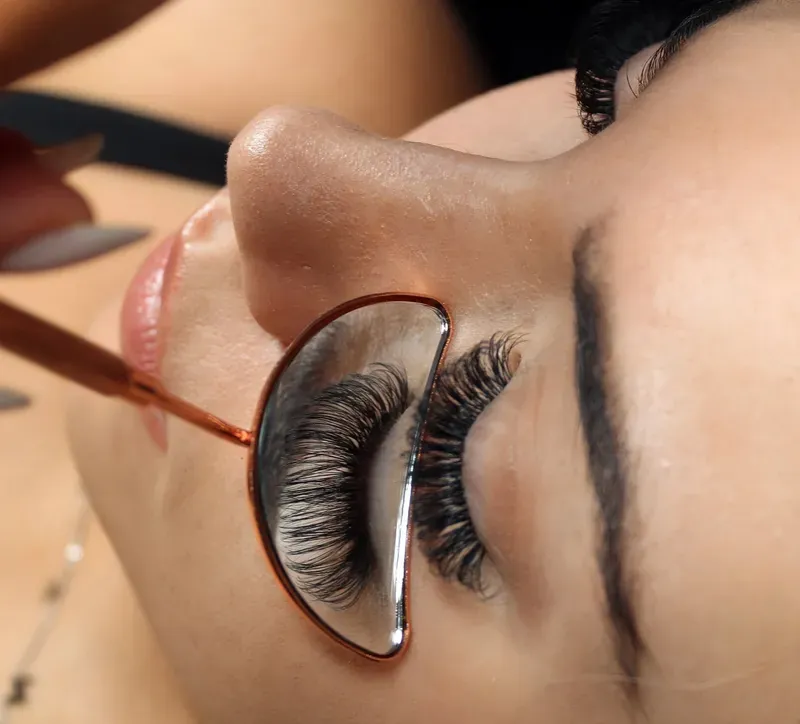
Do Classic, Hybrid and Volume Lashes Last the Same Amount of Time?
No application style guarantees a specific retention period. Fuller techniques can sometimes appear dense for longer because more fibres remain visible, but every attachment depends on the same natural lash cycle and proper application.
The right style should be chosen for your desired look and natural lashes, not based on promises that a particular name means “four weeks guaranteed.”
See our guide to lash extension styles for the differences between classic, hybrid, wet and volume techniques.
When Should You Schedule Your Next Lash Fill?
For many people, every two to three weeks is a practical starting point. If you're particular about keeping an even, polished lash line, a two-week visit may suit you. If your retention is strong, you may be comfortable closer to three weeks.
At your appointment, the technician can advise whether you need a mini, standard or extended fill based on your actual lash condition. A full set might be needed if too few suitable attachments remain.
Read How Often Should You Get a Lash Fill? for a detailed service comparison.
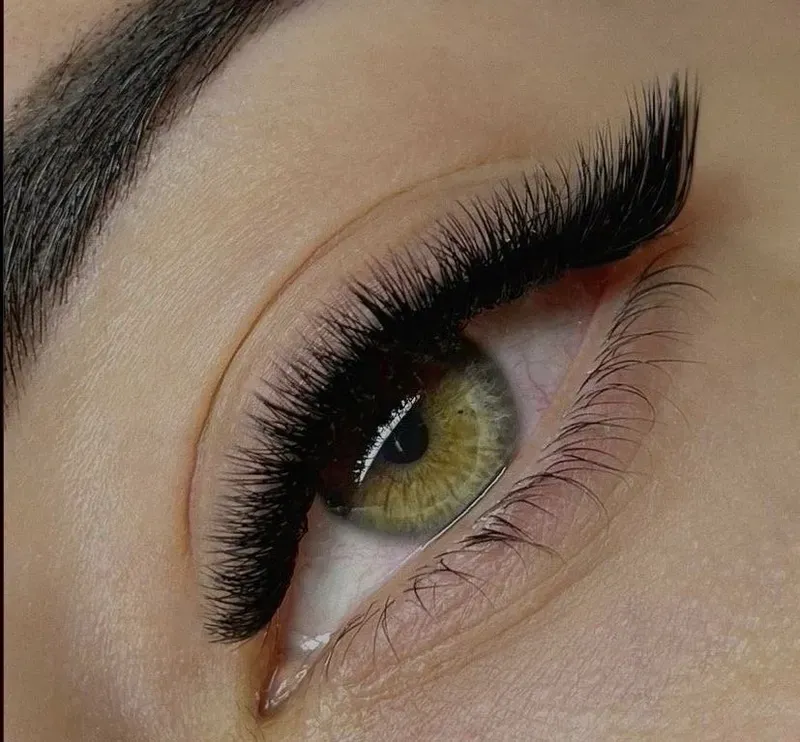
Lash Retention Advice From L By Nancy
L By Nancy offers lash maintenance in Kimberley, BC. With 10+ years of experience, Nancy understands the importance of considering the condition of the existing set, the natural lashes and the client's preferred fullness before recommending a maintenance appointment.
A little normal shedding is expected. Pain, swelling, redness, discharge or vision changes are not. Seek medical advice for concerning symptoms rather than waiting until your next fill.
If your lashes are ready for a refresh, review available appointments at L By Nancy. For the complete introduction, visit The Complete Guide to Lash Extensions.
Services, appointment durations, and prices are subject to change. Check the current L By Nancy booking menu for the latest details.
Sources and Further Reading
- Nguyen and colleagues, 2023: Eyebrow and Eyelash Alopecia: A Clinical Review. Lash biology and recognised medical or treatment-related causes of lash loss.
- American Academy of Ophthalmology: Eyelash Extension Facts and Safety. Extension wear, natural shedding and precautions.